

Blog
List of Food Preservatives: 5 Groups, Uses, and Safety

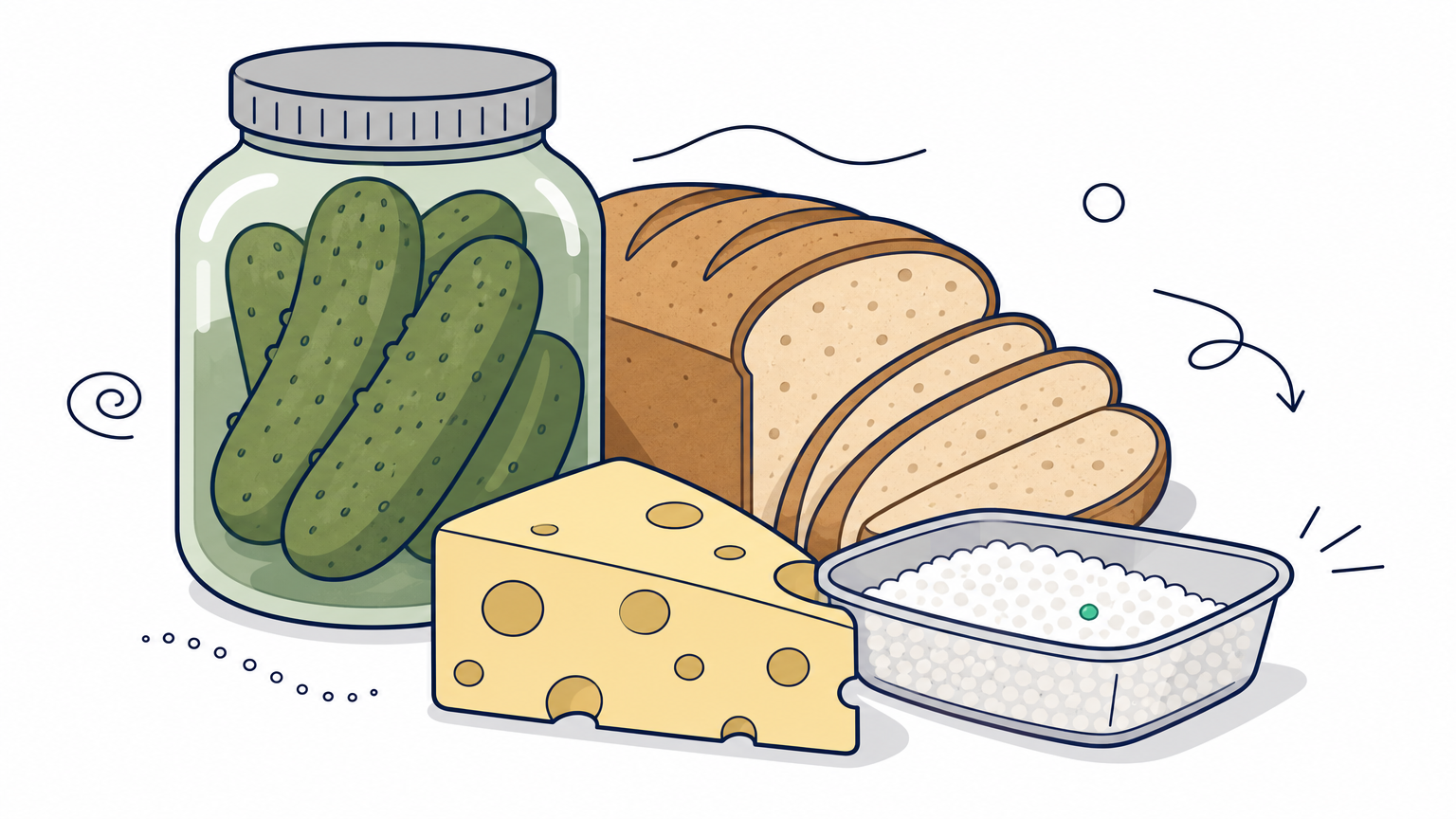
The most useful list of food preservatives sorts them into five groups: sorbates, benzoates, propionates and acetates, sulfites and nitrites, and natural preservatives with antioxidants. A good pick matches the food. Sorbates suit cheese and baked goods, benzoates suit acidic drinks and pickles, propionates suit bread, nitrites suit cured meat, and the natural group suits home cooks. At permitted levels, regulators treat all of them as safe for most people, with a few known sensitivities.
The problem is the label. Ingredient lists show names and E numbers that nobody explains, and you want to know what each one does, which foods contain it, and whether you should worry. Grouping preservatives by chemistry helps, because the members of a group behave alike. You learn five patterns instead of memorizing forty names.
Masiye Labs is a South African supplier of food grade chemicals and laboratory equipment, so we also note which of these preservatives we stock. If you are a shopper, read the tables as a label decoder. If you are a food producer, they show which preservative fits which product.
1. Sorbates: sorbic acid and potassium sorbate
Sorbates are mould and yeast inhibitors that sit in cheese, baked goods, wine and dried fruit. They are among the most widely used preservatives in food production.
Examples and foods
Two compounds dominate this group.
| Preservative | E number | Typical foods |
|---|---|---|
| Sorbic acid | E200 | Potato products, cheese, jam |
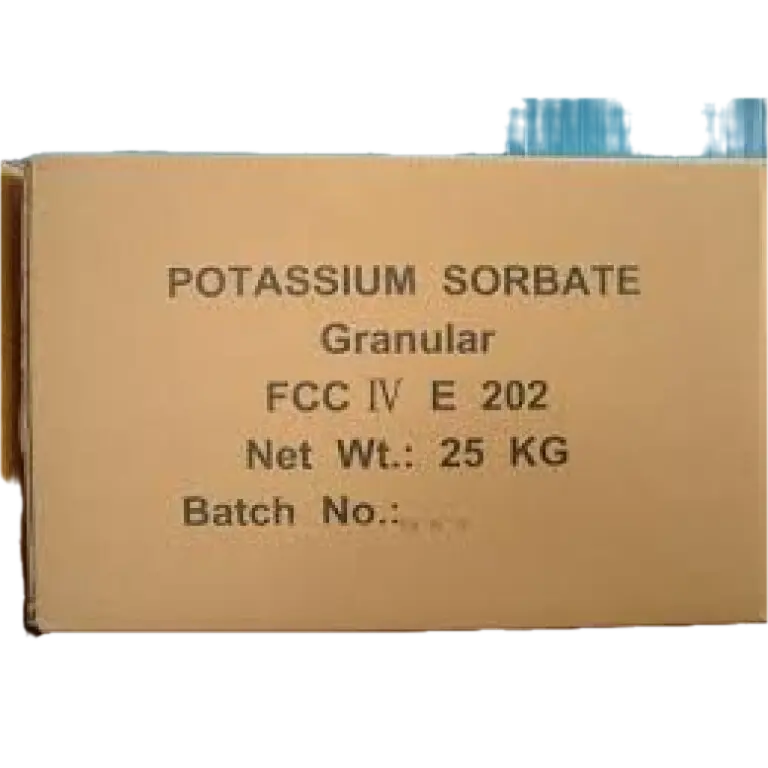
| Potassium sorbate | E202 | Cheese, yogurt, wine, dried fruit, baked goods, sauces |
How they work and how safe they are
Sorbates slow yeasts, moulds and some bacteria rather than killing them, and they work best in acidic or mildly acidic foods. That is why winemakers use potassium sorbate to prevent a second fermentation in the bottle.
On safety, sorbates are among the best-tested preservatives. The European Food Safety Authority re-evaluated them, and the US treats potassium sorbate as generally recognized as safe. Reactions are uncommon. If you need a food grade source, Masiye Labs stocks Potassium Sorbate Granular 25kg at R2,885 including VAT.
Sorbates are a low-risk, well-tested choice for mould and yeast control.
2. Benzoates: benzoic acid and sodium benzoate
Benzoates stop bacteria, yeast and mould in acidic foods. Sodium benzoate is most effective below pH 4.5, so it dominates soft drinks, pickles and dressings.
Examples and foods
| Preservative | E number | Typical foods |
|---|---|---|
| Benzoic acid | E210 | Pickled cucumbers, dressings |
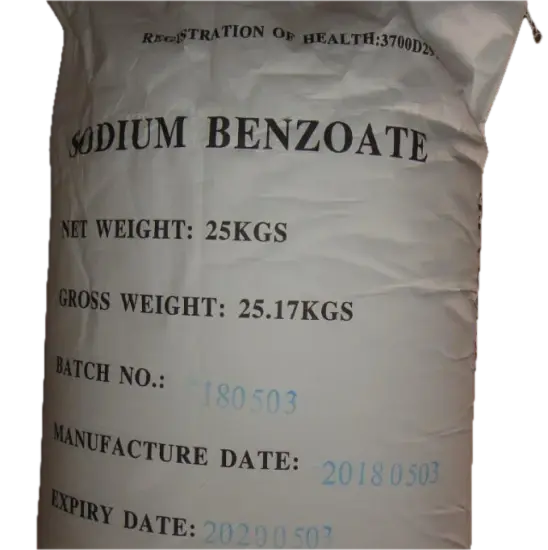
| Sodium benzoate | E211 | Soft drinks, fruit juices, sauces, pickles |
| Potassium benzoate | E212 | Low-sugar jams and jellies, condiments |
How they work and how safe they are
Benzoates need an acidic environment to work, so they are a poor match for neutral foods like fresh meat or milk. Producers often pair them with sorbates for broader coverage.
For most people, benzoates are safe at permitted levels. A small group of sensitive people, including some asthmatics, can react with wheezing or hives. Masiye Labs supplies Sodium Benzoate BP food grade in 5kg, 10kg and 25kg sizes (R655 to R1,855) and Benzoic Acid 25kg at R2,988.
Benzoates protect acidic foods well, but check the label if you are asthmatic or sensitive.
3. Propionates and acetates
Propionates and acetates fight mould in bread and baked goods, and acetates add a sharp vinegar note. This group is the reason a shop loaf stays soft for days.
Examples and foods
Calcium propionate is the workhorse. Swiss cheese also contains propionic acid naturally.
| Preservative | E number | Typical foods |
|---|---|---|
| Calcium propionate | E282 | Bread, rolls, pastries, cheese, processed meats |
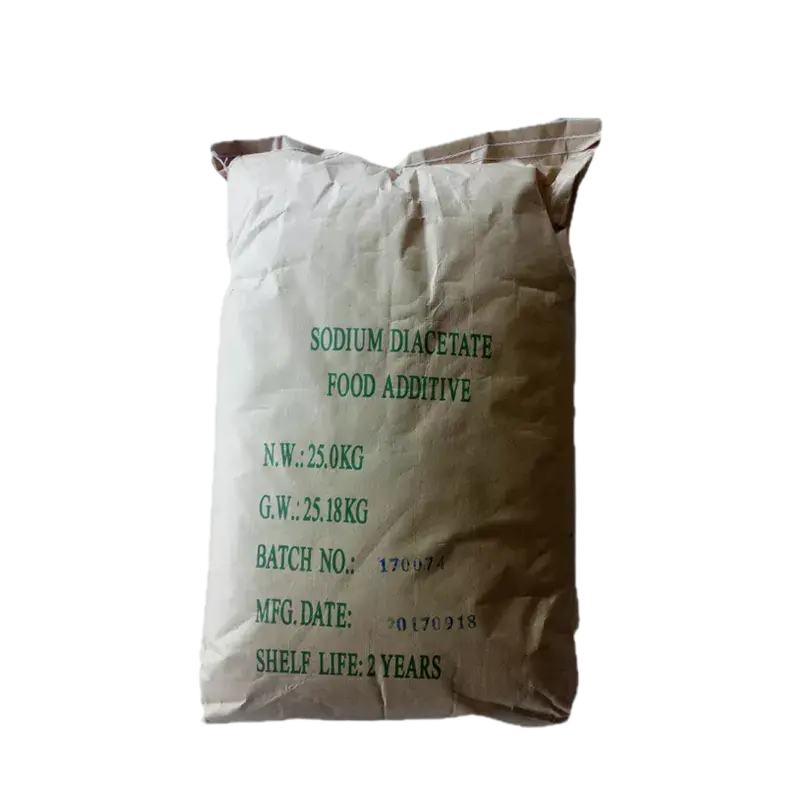
| Sodium diacetate | E262 | Baked goods, snack foods, sauces, meat products |
How they work and how safe they are
Propionates block mould growth and work best in lower-pH foods. Sodium diacetate, a salt of acetic acid, also acts as a pH buffer and flavour enhancer.
Regulators rate both as safe at permitted levels, and sodium diacetate is generally recognized as safe in the US. Handle the raw concentrate carefully, because it can irritate the eyes. Masiye Labs stocks Calcium Propionate 25kg at R1,798 and Sodium Diacetate 25kg at R675.
Propionates are the standard answer to mouldy bread, and they are well tolerated.
4. Sulfites and nitrites
Sulfites and nitrites are the two most debated groups, because they protect food very effectively but need more caution than the others.
Examples and foods
| Preservative | E number | Typical foods |
|---|---|---|
| Sulfur dioxide and sulfites | E220 to E228 | Wine, dried fruit, vinegar pickles, shrimp |
| Sodium nitrite | E250 | Bacon, hot dogs, deli meats |
| Nitrates | E251 to E252 | Cured meats |
How they work and how safe they are
Sulfites prevent browning and microbial growth. They can trigger asthma in sensitive people, so they must appear on the label, and anyone with asthma should check for them.
Nitrites prevent botulism and keep cured meat pink. The concern is the meat itself. The International Agency for Research on Cancer classifies processed meat as carcinogenic to humans, so eat it in moderation.
Sulfites and nitrites work well, so the sensible approach is moderation and label reading.
5. Natural preservatives and antioxidants
Natural preservatives dry, acidify or block oxidation, and they are the group home cooks already use. "Natural" describes where an ingredient comes from, not whether it is safe.
Examples and foods
| Preservative | E number | Typical foods and job |
|---|---|---|
| Salt | None | Cured meats, pickles; draws out moisture |
| Sugar | None | Jams, condensed milk; binds water |
| Vinegar (acetic acid) | E260 | Pickles, sauces; acidifies |
| Citric acid | E330 | Canned tomatoes, jams, drinks; acidifies |
| Ascorbic acid | E300 | Juices, canned fruit; stops browning |
| Tocopherols | E306 | Oils, cereals, nuts; stop rancidity |
| Rosemary extract | E392 | Chips, oils, meats; stops rancidity |
How they work and how safe they are
Natural and synthetic preservatives meet the same safety standards. Citric acid occurs in citrus fruit, but food makers mostly produce it by fermentation. Synthetic antioxidants such as BHA (E320) and BHT (E321) protect fats in cereal, chips and chewing gum, and they are approved at set limits.
For the lowest concern, look at vinegar, citric acid, ascorbic acid and tocopherols. Salt and sugar are safe as preservatives, but large amounts in your diet are the health issue.
A natural origin does not make a preservative safer, and a synthetic one is not automatically riskier.
Choosing preservatives with confidence
Every preservative on this list does one of two jobs: it stops microbes or it stops oxidation. Sorbates, benzoates and propionates handle mould, yeast and bacteria. Sulfites and nitrites handle browning and botulism. The natural group handles both gently. For most people, permitted levels are safe, so the practical step is to read labels if you have asthma or a known sensitivity.
If you make food, match the preservative to your product’s acidity and moisture, then test at low concentrations. To buy food grade preservatives in bulk, you can request a quotation from Masiye Labs and get pricing in Rand, including VAT, for the size you need.