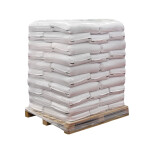
Thiourea 1000kg
R99,187.00
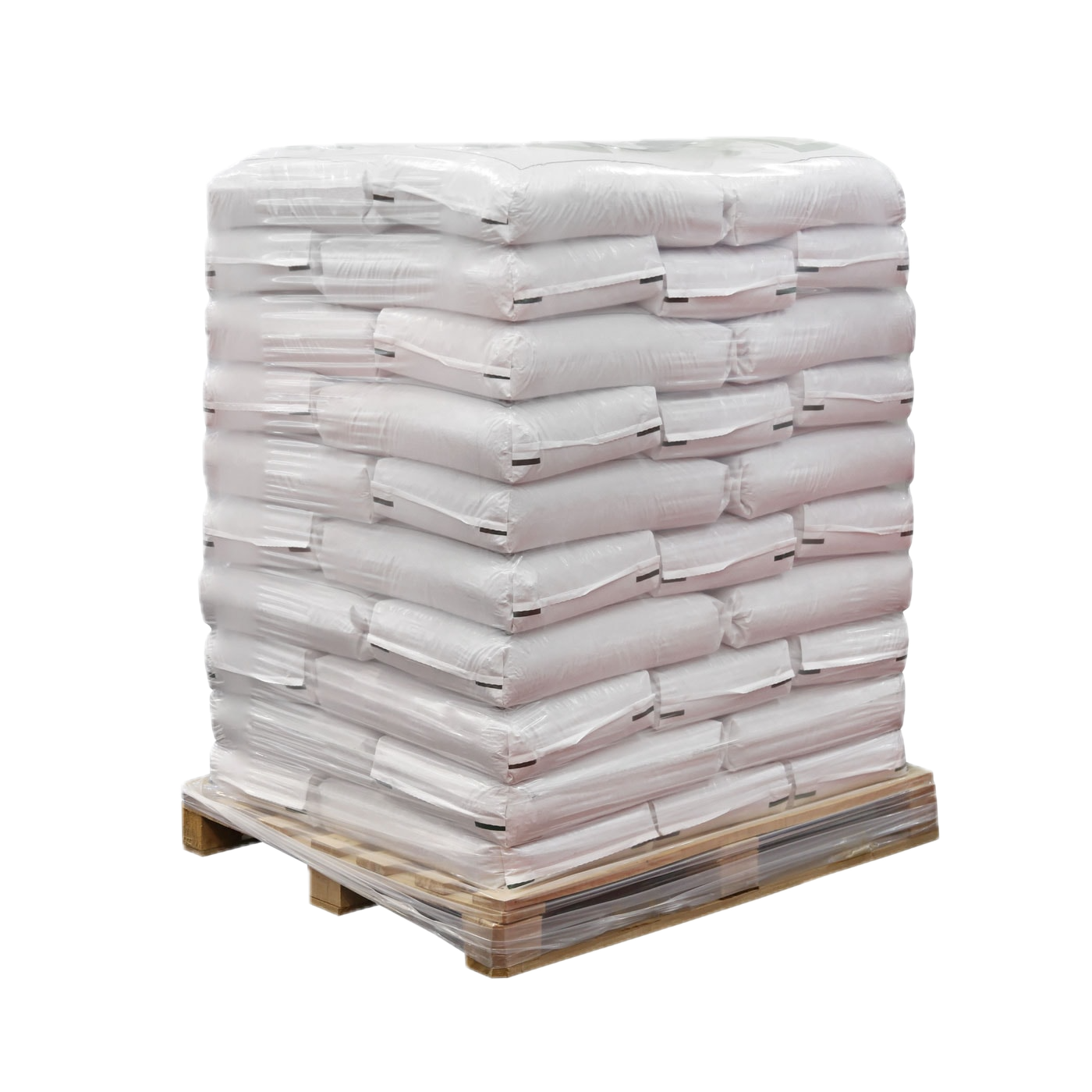
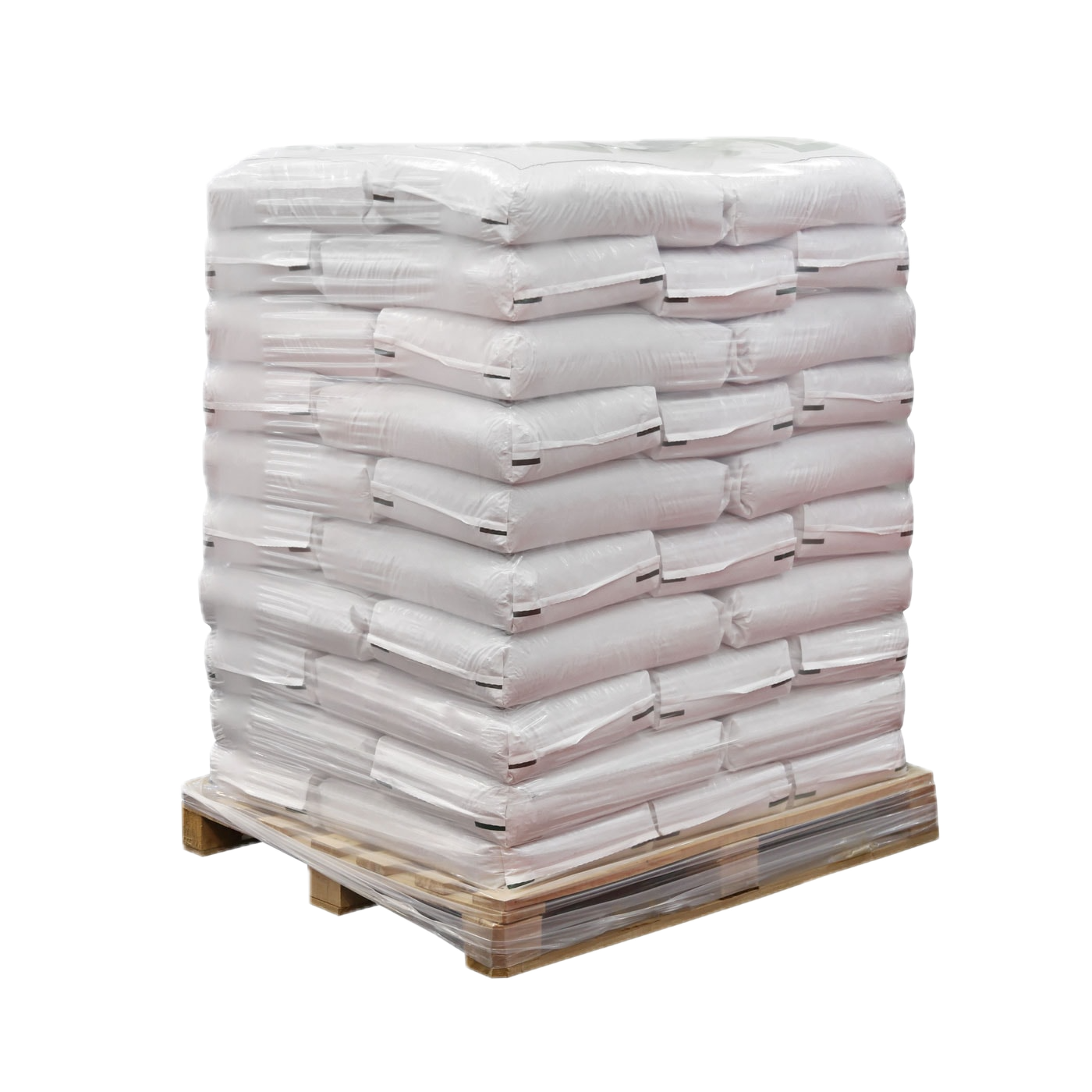
| Weight | 1000 kg |
|---|---|
| Dimensions | 115 × 115 × 115 cm |
Thiourea 1000kg
Thiourea (\(CS(NH_2)_2\)) is an organosulfur compound used primarily in industrial processes, including metal refining (gold/silver extraction), electroplating, rubber vulcanization, and as a chemical intermediate for pharmaceuticals and dyes.
It also serves as a specialised agent in photography and agricultural applications, though it is toxic and poses environmental hazards.
Thiourea 1000kg
Key Industrial and Chemical Uses:
Metal Extraction and Finishing: Acts as a complexing agent to extract precious metals like gold and silver from ores and electronic waste. It is also used in electroplating for coating metals (gold/silver) and cleaning metal surfaces.
Rubber Vulcanisation: Functions as a key accelerator in the vulcanisation of halogenated polymers, such as polychloroprene (CR) and chlorosulfonated polyethylene (CSM), providing enhanced durability.
Textile and Paper Industry: Employed as a reducing agent in textile bleaching, specifically for stripping vat dyes, and in the paper/pulp industry for bleaching and deinking.
Chemical Synthesis: Serves as a building block for pharmaceuticals (e.g., sulfathiazole), pesticides, and the production of flame-retardant resins.
Photography: Used as a fixing agent and a toner in silver-gelatin photographic prints.
Agriculture: Utilised in some studies as a fertiliser amendment to help crops manage environmental stress, as well as an inhibitor of nitrification in soil.
Safety and Hazards:Thiourea is considered toxic and is a suspected carcinogen. It may cause skin irritation, allergic reactions, and damage to fertility or the unborn child.
It is also known to inhibit nitrification in water and soil, requiring cautious handling and disposal.
Thiourea 1000kg
Related products
Ethyl Acetate Technical Grade
Price range: R399.00 through R12,498.00