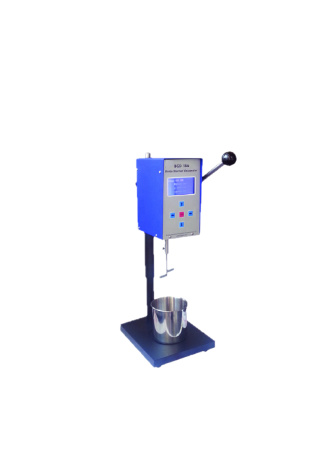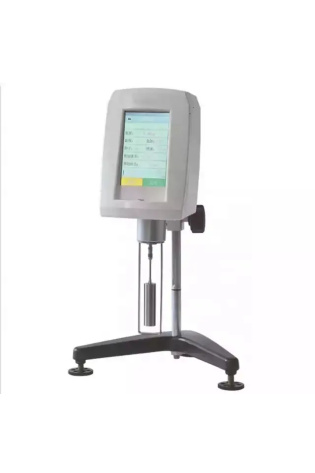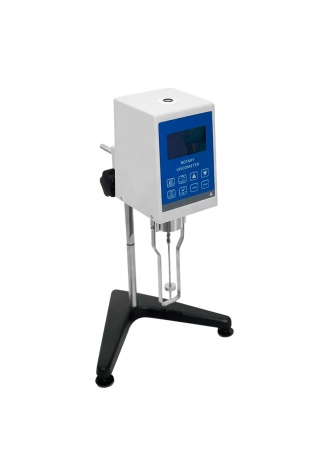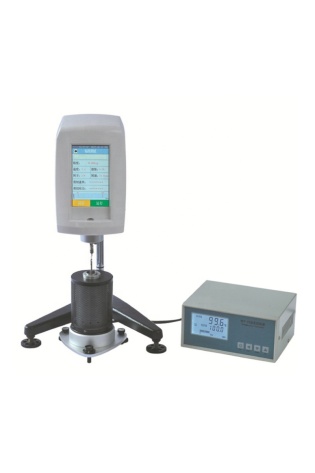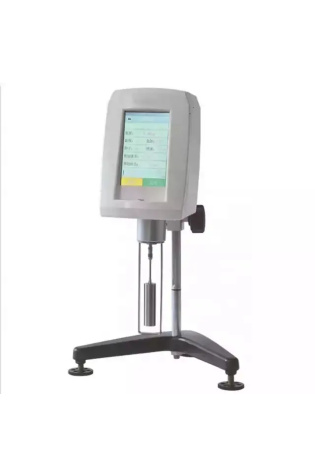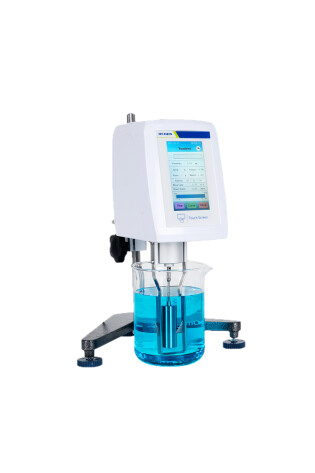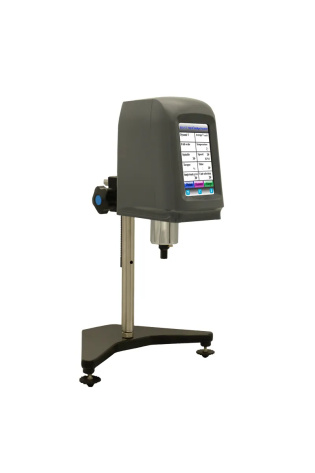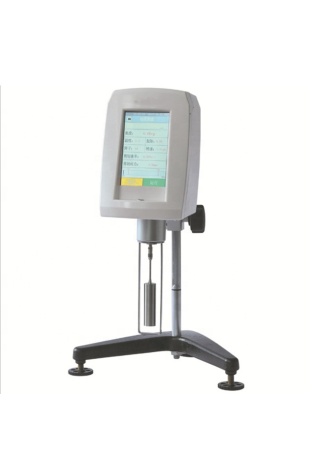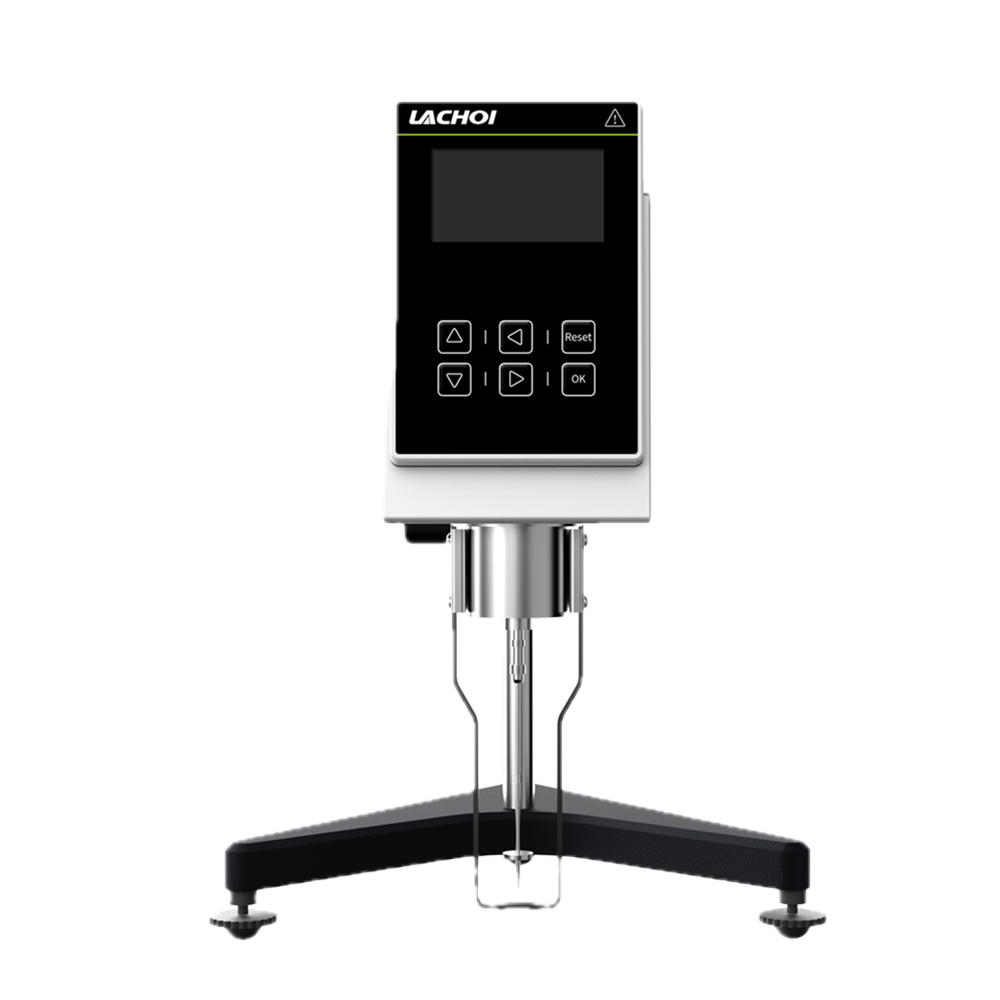
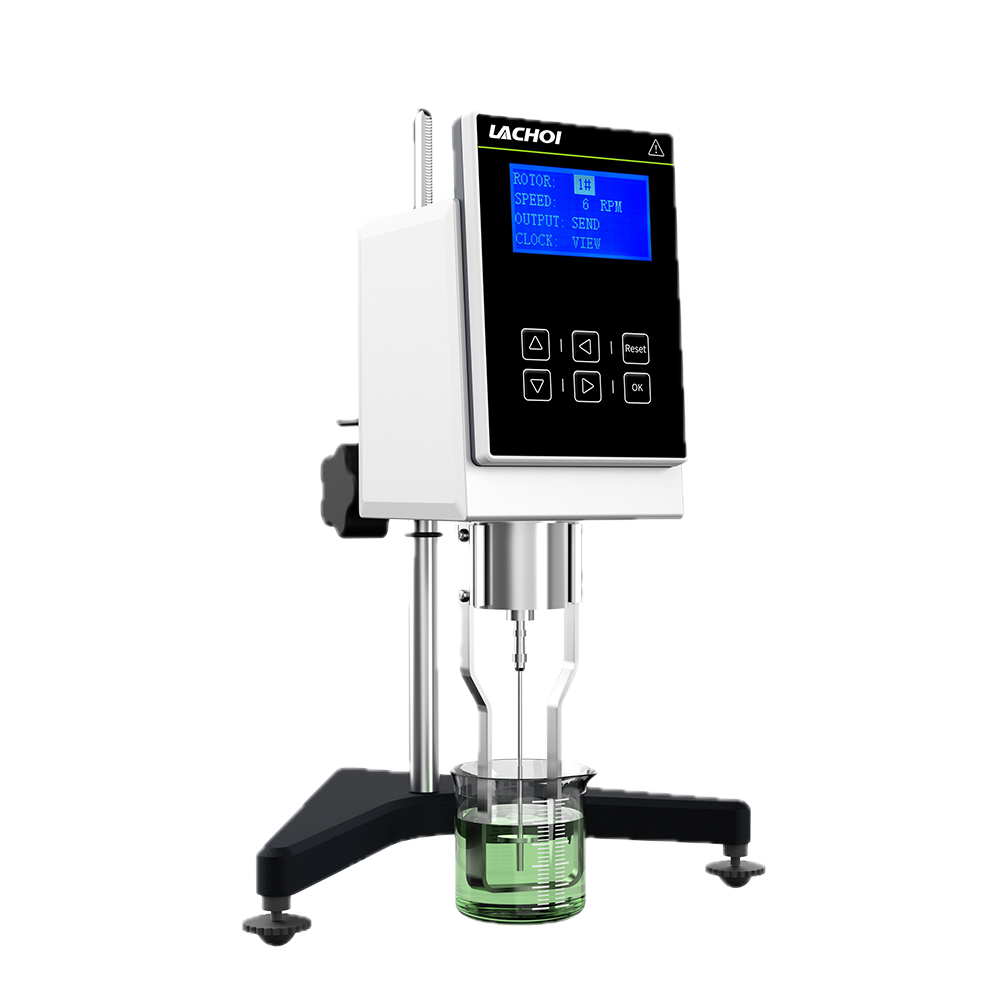
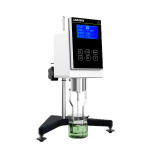
Digital Rotary Viscosity Meter
Rotary viscometers measure fluid thickness (viscosity) by rotating a spindle in the liquid and measuring the torque needed, widely used for quality control in industries like paints, inks, foods (honey, sauces, milkshakes), cosmetics, pharmaceuticals, adhesives, oils, and petrochemicals to ensure consistent flow, application, and performance, testing both Newtonian (e.g., oil) and non-Newtonian (e.g., paint, ketchup) fluids for properties like stickiness, spreadability, and structural strength.
Digital Rotary Viscosity Meter Key Uses Across Industries:
- Paints & Coatings: Check consistency for proper brush/spray application and film formation.
- Food & Beverage: Verify texture and flow of products like honey, jams, sauces, chocolate, and yogurt.
- Pharmaceuticals: Ensure proper consistency for creams, ointments, syrups, and suspensions.
- Cosmetics: Test lotions, shampoos, mascaras, and gels.
- Adhesives & Sealants: Control flow for reliable bonding and application.
- Petroleum & Oils: Measure viscosity of lubricants (like SAE 40 oil) and asphalt binders.
- Plastics & Polymers: Analyze melts and solutions.
- Inks: Ensure proper printing and flow characteristics for screen printing.
- Research: Evaluate material properties, intermolecular forces, and structural integrity (e.g., gels, waxes).
How Digital Rotary Viscosity Meter Works:
- A rotor (spindle) is submerged in the liquid.
- The motor rotates the spindle at a set speed.
- A torque sensor measures the resistance (drag) from the fluid.
- This torque, along with speed and spindle data, calculates the fluid’s viscosity, often displayed digitally.
Benefits:
- Measures absolute viscosity (Newtonian fluids) and apparent viscosity (non-Newtonian fluids).
- Provides precise, reliable results for quality control.
- Can test fluids under various temperatures, critical for many applications.
Digital Rotary Viscosity Meter