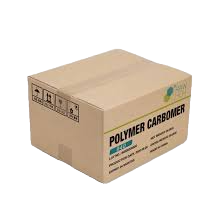
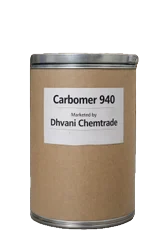
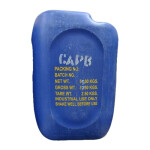
Carbomer 940
Price range: R2,385.00 through R6,898.00
| Weight | N/A |
|---|---|
| Dimensions | N/A |
| Size | 5kg, 10kg, 15kg, 20kg |
Carbomer 940
Carbomer 940 is a high-molecular-weight, cross-linked polyacrylate polymer used as a premier thickening, suspending, and stabilizing agent in cosmetics and personal care. It produces exceptionally clear, non-sticky gels and smooth emulsions at low usage levels (0.1–1.0%), making it ideal for gels, serums, and lotions.
Carbomer 940
Key Functions & Benefits
Viscosity Enhancement: It transforms liquids into thick, smooth gels or rich creams, providing a “luxurious” and non-tacky feel.
Superior Suspension: It creates a network that effectively suspends insoluble particles—like exfoliating beads or active ingredients—preventing them from sinking or rising.
Emulsion Stability: It prevents the oil and water phases of lotions and creams from separating, which extends product shelf life.
Moisture Retention: On the skin, it can form a thin, protective film that helps seal in moisture and protect against environmental stressors.
Common Applications
Carbomer 940 is a staple ingredient in a wide range of personal care and medical products, including:
Skincare: Facial serums, hydrating gels, eye creams, and sunscreens.
Hygiene: Hand sanitizers (due to its alcohol compatibility) and body washes.
Haircare: Styling gels and conditioning shampoos.
Medical: Eye drops (where it provides long-lasting lubrication) and topical ointments.
How to Use in Formulations
Activating Carbomer 940 is a two-step process:
Dispersion and Hydration: Slowly sprinkle the fine white powder into room-temperature distilled water while stirring. It must hydrate fully (which can take up to 24 hours) to avoid “fish-eyes” or lumps.
Neutralization: The mixture remains thin and acidic (pH ~3) until it is neutralized with an alkaline agent like Triethanolamine (TEA) or Sodium Hydroxide (NaOH). Raising the pH to approximately 5.5–7.0 causes the polymer to swell and instantly thicken into a gel.
Safety & Considerations
Skin Safety: It is generally considered non-toxic, non-irritating, and non-comedogenic (won’t clog pores). However, those with very sensitive skin should perform a patch test, as irritation is rare but possible.
Environmental Impact: Some organizations classify carbomers as “liquid microplastics” because they are synthetic polymers that do not biodegrade easily in marine environments.
Carbomer 940 should not be over-spun during mixing (generally, avoid over 2500 rpm) to prevent polymer chain damage and reduced viscosity.
Related products
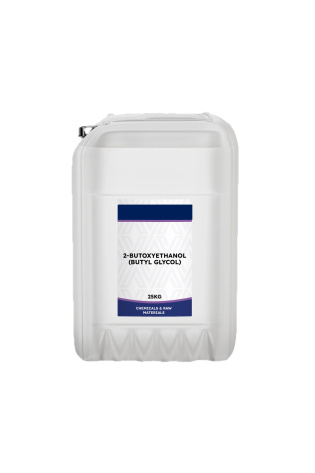
Butyl Oxitol Technical Grade
Price range: R585.00 through R14,874.00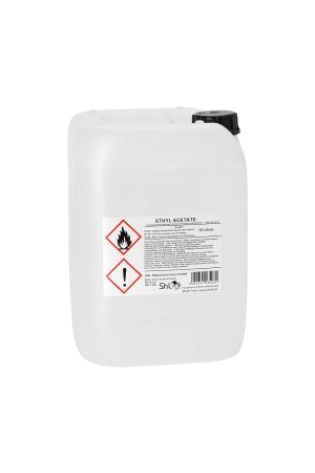
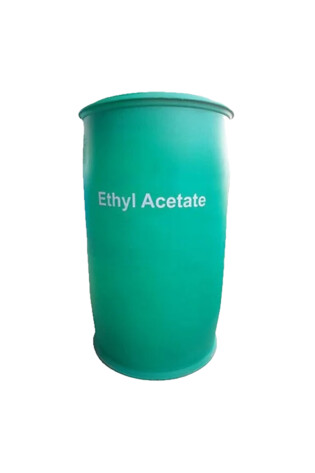
Ethyl Acetate Technical Grade
Price range: R399.00 through R12,498.00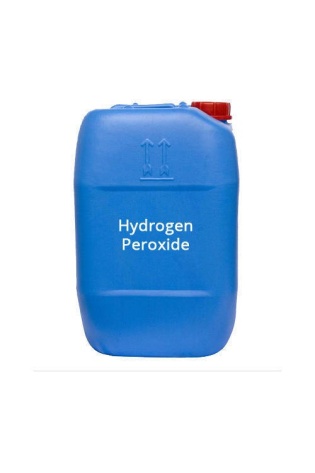
Hydrogen Peroxide 35%
Price range: R325.00 through R1,150.00