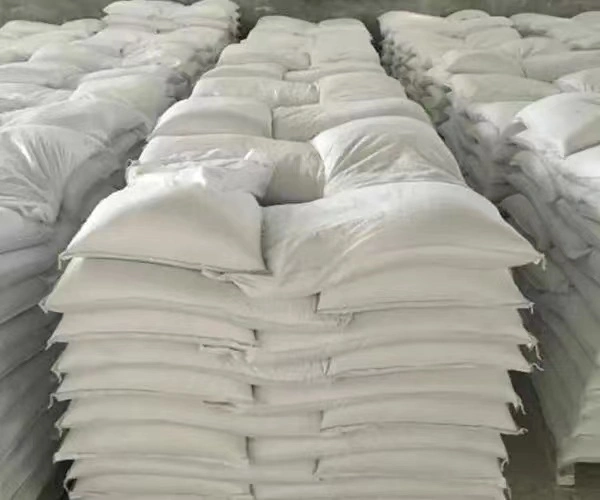
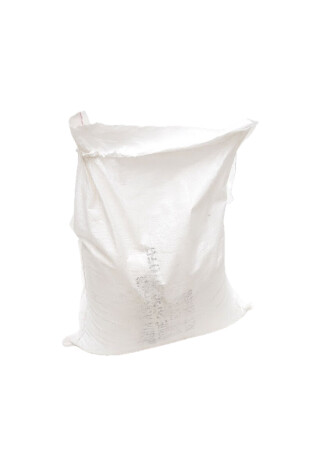
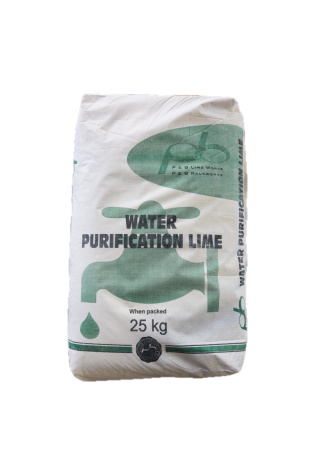
Water Purification Lime 1000kg
R11,600.00

Water Purification Lime, 25kg
| Weight | 100 kg |
|---|---|
| Dimensions | 99 × 99 × 155 cm |
Water Purification Lime 1000kg
Lime (Calcium Hydroxide) is used in water purification primarily to adjust pH, soften water by precipitating hardness minerals (calcium/magnesium), remove impurities (like phosphorus, metals, silica), control odors, and aid disinfection by raising alkalinity, making water clearer, safer, and less corrosive.
Its low cost, effectiveness, and low toxicity make it ideal for both municipal drinking water and industrial wastewater treatment.
Key Uses in Water Purification:
pH Adjustment & Alkalinity: Neutralizes acidic water, preventing pipe corrosion and optimizing other treatment chemicals.
Water Softening (Lime Softening): Removes calcium and magnesium ions that cause hardness by causing them to precipitate out as solids.
Coagulation & Flocculation: Helps smaller particles clump together (flocculate) for easier removal through sedimentation or filtration, clarifying water.
Phosphorus Removal: Precipitates phosphorus as calcium phosphate, a solid that can be filtered out.
Disinfection: High alkalinity levels (pH > 10.5) kill harmful bacteria like E. coli, stabilizing sludge and controlling odors.
Heavy Metal Removal: Precipitates dissolved heavy metals as hydroxides, removing them from the water.
Sludge Conditioning: Stabilizes sludge, making it less offensive and suitable for beneficial reuse.
Water Purification Lime 1000kg
How it’s Applied:
Hydrated lime (calcium hydroxide) is typically added as a slurry (mixed with water) or dry-fed into the water stream.
It’s used in both potable (drinking) water and wastewater treatment.
It is used in water treatment plants for purifying water. Calcium hydroxide
Lime softening is a water treatment process that uses calcium hydroxide, or limewater, to soften water by removing calcium and magnesium ions.
In this process, hydrated lime is added to the water to raise its pH level and precipitate the ions that cause hardness
Water Purification Lime 1000kg
Calcium Hydroxide
You may also like…
Related products
Malic Acid-Food Grade
Price range: R1,988.00 through R75,120.00