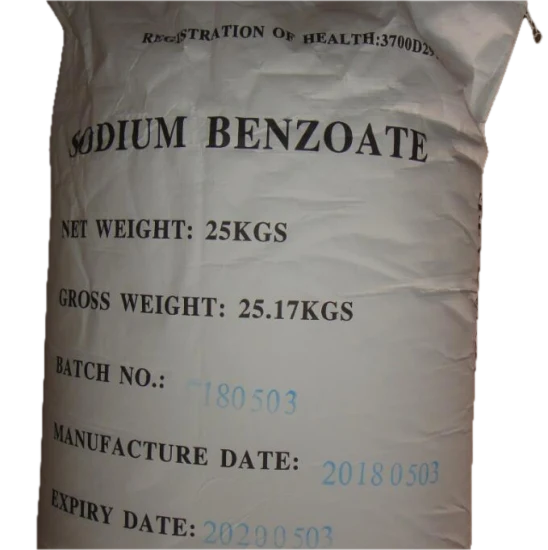
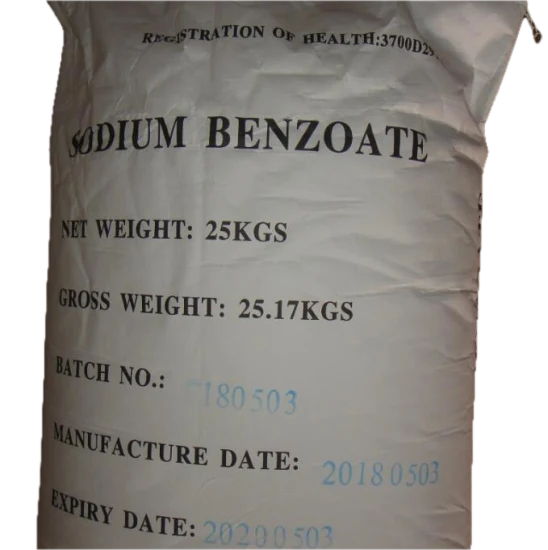

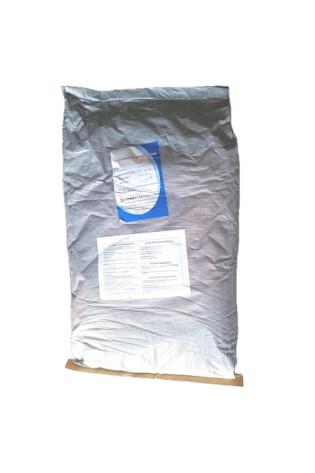
Sodium Benzoate BP
Sodium Benzoate BP Food Grade
Sodium benzoate is a versatile salt primarily used as a preservative across several industries due to its ability to inhibit the growth of bacteria, mold, and yeast, especially in acidic environments.
1. Food and Beverage Preservation
Sodium benzoate is the first preservative allowed in foods by the FDA. It is most effective in products with a pH below 4.5.
Carbonated Drinks: Widely used in sodas (e.g., Pepsi, Sprite, Fanta) to maintain freshness and protect taste.
Acidic Foods: Used in salad dressings, pickles, sauces (soy sauce, hot sauce), jams, jellies, and fruit juices.
Winemaking: Added to sweet and sparkling wines to stop fermentation and prevent spoilage.
Condiments: Commonly found in margarine, olives, and salad dressings.
2. Pharmaceuticals
In medicine, sodium benzoate serves both as an active therapeutic agent and an inactive ingredient.
Ammonia Management: Used to treat urea cycle disorders and hyperammonemia by binding amino acids, which are then excreted to lower toxic ammonia levels in the blood.
Neurological Disorders: Studied as an add-on therapy for schizophrenia, where it may improve cognitive function and reduce symptoms. It is also researched for treating Alzheimer’s, Huntington’s disease, and bipolar disorder.

Sodium Benzoate BP Food Grade
Sodium benzoate inhibits the growth of potentially harmful bacteria, mold, and other microbes in food, thus deterring spoilage.
It’s particularly effective in acidic foods ( 6 ).
Therefore, it’s commonly used in foods such as:
- soda
- bottled lemon juice
- pickles
- jelly
- salad dressing
- soy sauce, and other condiments.
Sodium Benzoate BP Food Grade