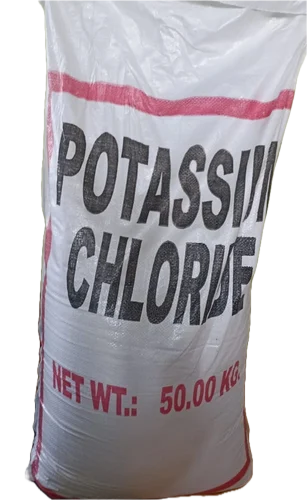
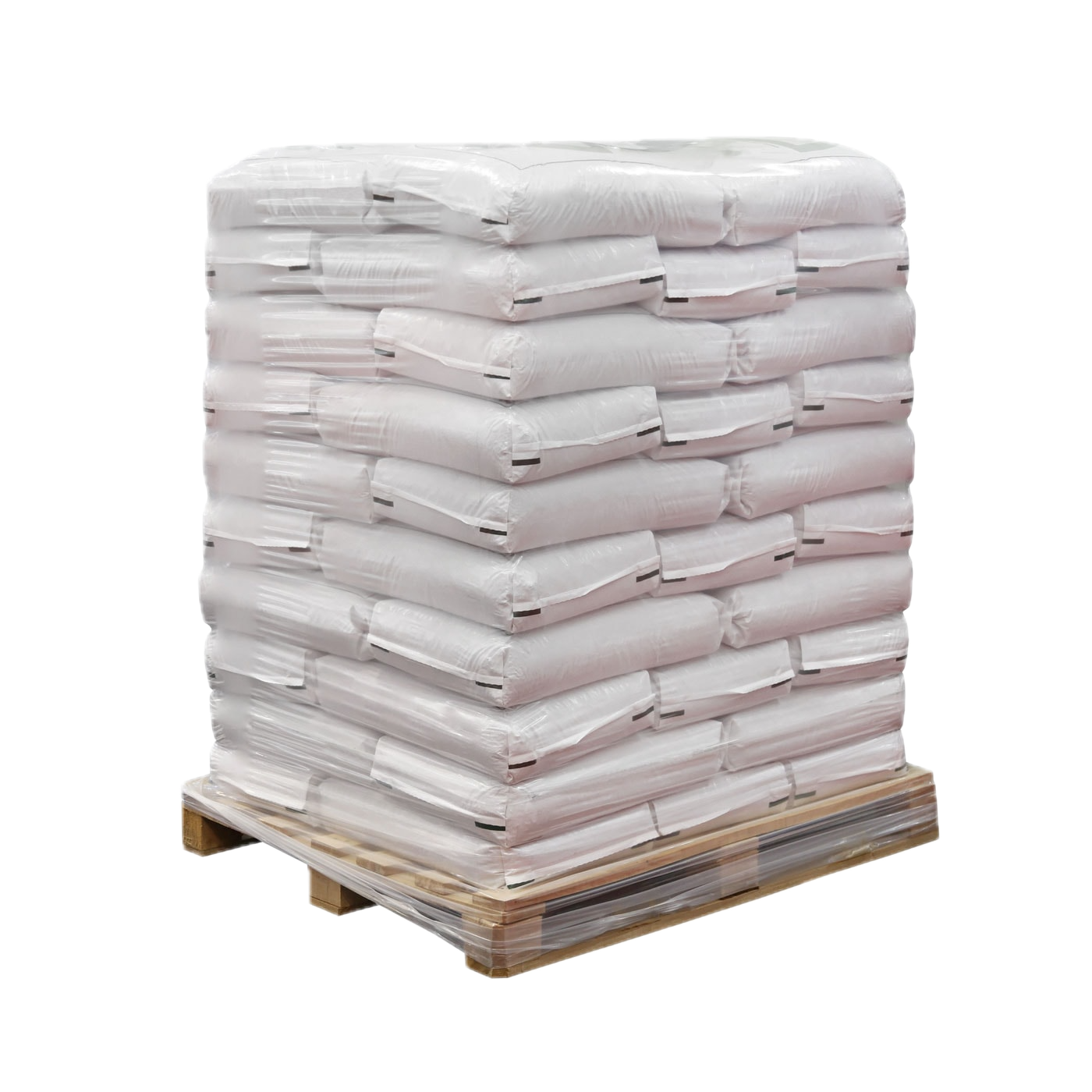
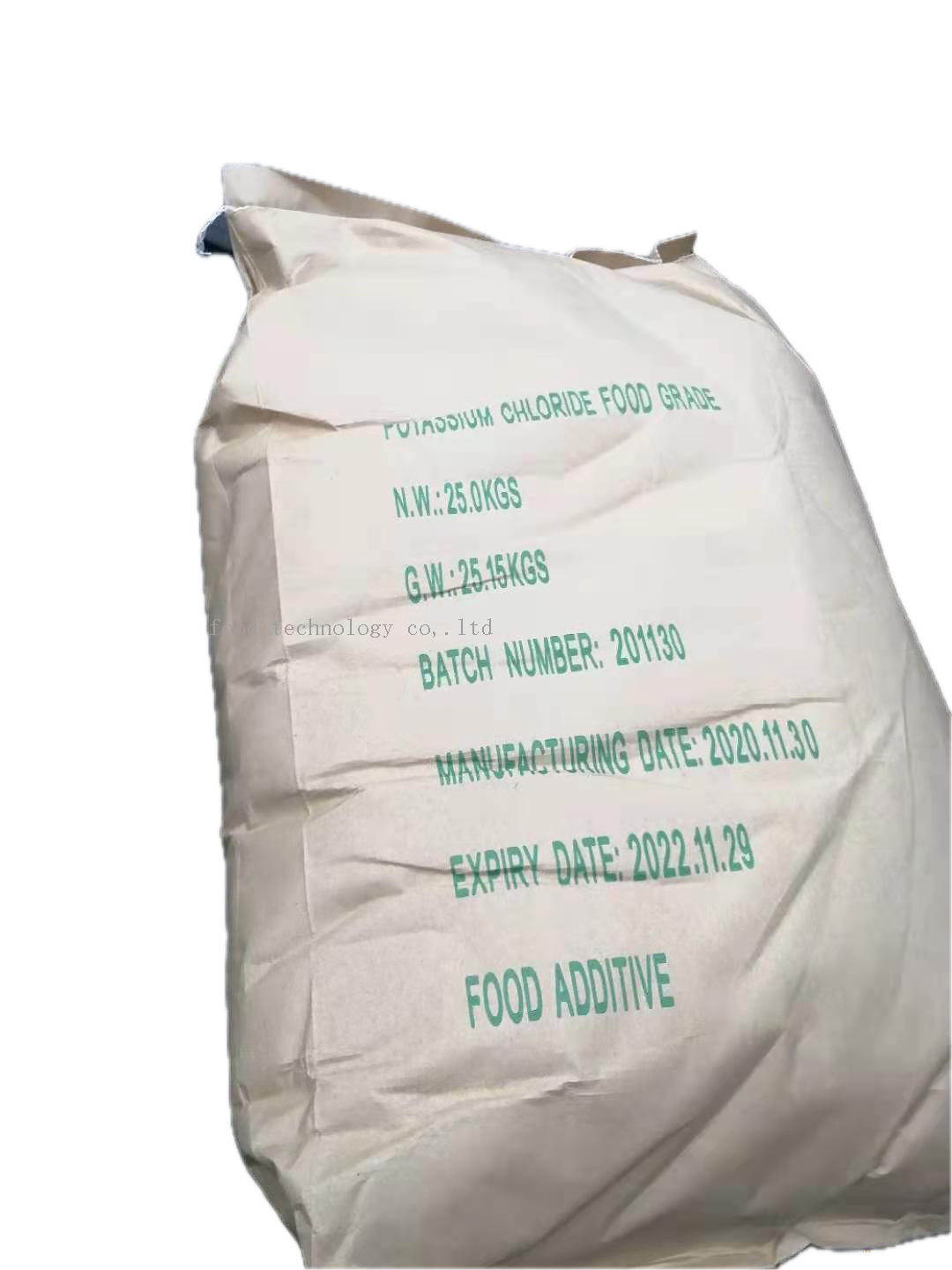
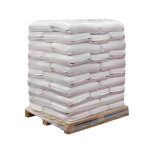
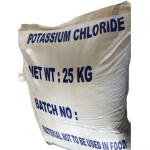
Potassium Chloride Feed Grade
Price range: R1,998.00 through R79,920.00
| Weight | N/A |
|---|---|
| Dimensions | N/A |
| Quantity | 25kg, 50kg, 1000kg |
Potassium Chloride Feed Grade
potassium chloride feed grade uses
Feed-grade potassium chloride (KCl) is a crucial mineral supplement used primarily to ensure animals meet their physiological requirements for potassium and chloride. It is commonly added to the diets of livestock, poultry, and horses to support metabolic health and production.
Core Uses in Animal Nutrition
Essential Nutrient Supplementation: It serves as a rich source of readily available potassium, which is critical for homeostasis, cell health, and nerve and muscle function.
Electrolyte & Fluid Balance: It is used as an electrolyte supplement to maintain proper fluid balance and prevent malnourishment.
Heat Stress Management: During hot weather, animals lose potassium through perspiration and urine. Supplementing feed or drinking water with KCl helps mitigate heat stress, lowers body temperature, and maintains productivity in cattle and poultry.
Medical Treatment for Hypokalemia: It is the preferred oral treatment for hypokalemia (low potassium) in cattle, which can cause muscle weakness, decreased appetite, and reduced milk production.
Rumen Health: In ruminants, potassium is vital for the maximum activity of rumen microbes, aiding in efficient digestion.
Anti-Stress Medication: It is often added to poultry diets as an anti-stress measure during transport or following vaccinations.
Potassium Chloride Feed Grade
Application by Species
Poultry (Broilers & Layers):
Improves weight gain and feed conversion during summer stress.
Supports strong bone and eggshell development by maintaining proper calcium levels.
Dairy & Beef Cattle:
Boosts milk production and milk fat percentages when diets are formulated to roughly 1.6% to 2% potassium.
Restores electrolyte balance in “downer cows” or those suffering from diarrhea.
Horses: Included in performance horse feeds to support energy requirements, endurance, and overall cellular health.
Potassium Chloride Feed Grade