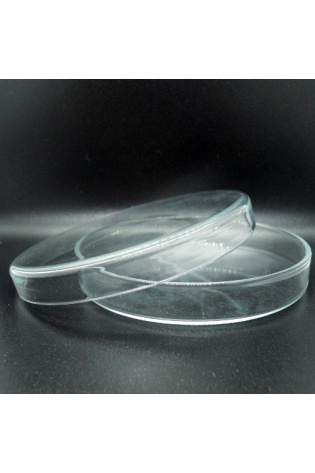
Petri Dish Glass 100mm
R60.00

Petri Dish Glass 100mm
| Weight | 0.200 kg |
|---|---|
| Dimensions | 120 × 120 × 15 cm |
Petri Dish Glass 100mm
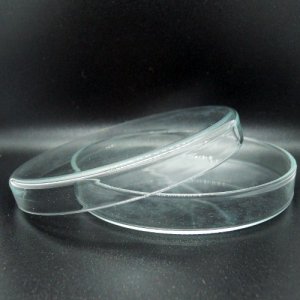
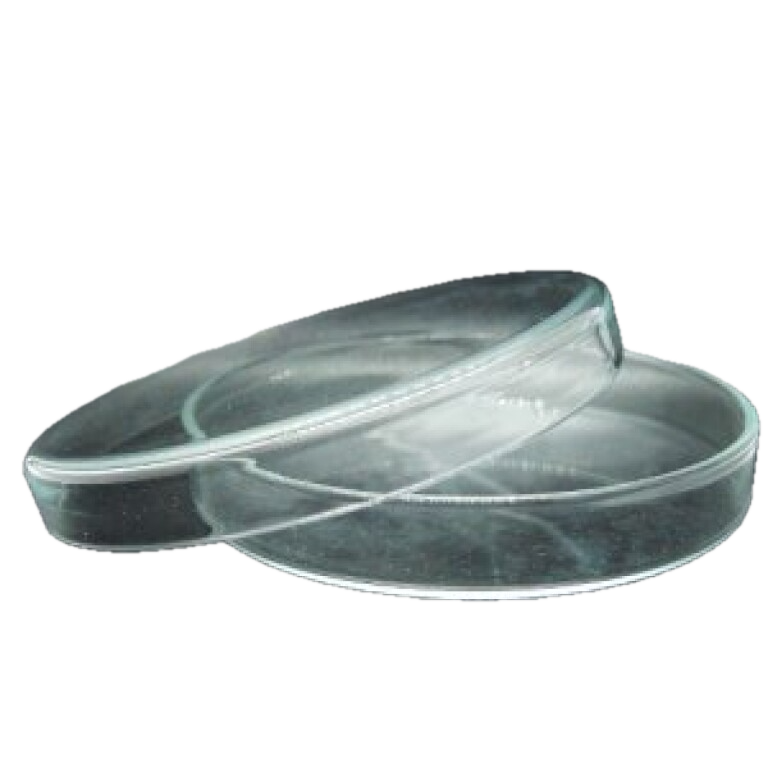
Petri dishes are shallow, cylindrical, lidded containers, usually glass or plastic, essential for cultivating microorganisms (bacteria, fungi) and cells on agar media in laboratory, medical, and research settings. They provide a sterile, controlled environment for isolating, identifying, and observing microbial growth.
Key Uses of Petri Dishes:
Microbiological Culture: Growing, isolating, and studying bacteria, yeast, fungi, and other microorganisms, often using agar.
Cell Culture: Supporting the growth of eukaryotic cells, including mammalian, plant, or animal cells.
Antibiotic Sensitivity Testing: Testing the efficacy of antibiotics, antiseptics, or antifungal agents (e.g., zone of inhibition studies).
Environmental Monitoring: Sampling and culturing microorganisms from air, soil, and water to test for contaminants.
Medical Diagnostics: Analyzing clinical samples to identify pathogens and diagnose diseases.
Education & Research: Observing plant germination, conducting botanical experiments, and demonstrating biological processes in schools.
Food and Industrial Testing: Monitoring food samples for contamination and maintaining quality control.
Forensics: Culturing microbes to trace sources of contamination or in forensic investigations.
Other Applications: Drying or evaporating samples, storing, or examining microscopic, small samples.
Key Features:
Sterility: They are either pre-sterilized (plastic) or capable of being sterilized (glass, using autoclaves or ovens) to prevent contamination.
Transparency: Allows for easy viewing of growth, colony morphology, and color changes.
Stackable Design: The lids prevent contamination while allowing for easy, stacked storage.
Petri Dish Glass 100mm
Petri Dish Glass 100mm
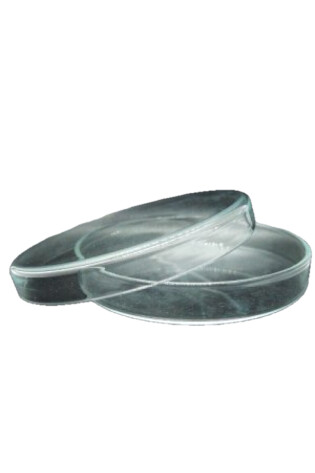
Petri Dish + Lid Glass 100mm
Petri Dish Glass 100mm
You may also like…

Related products